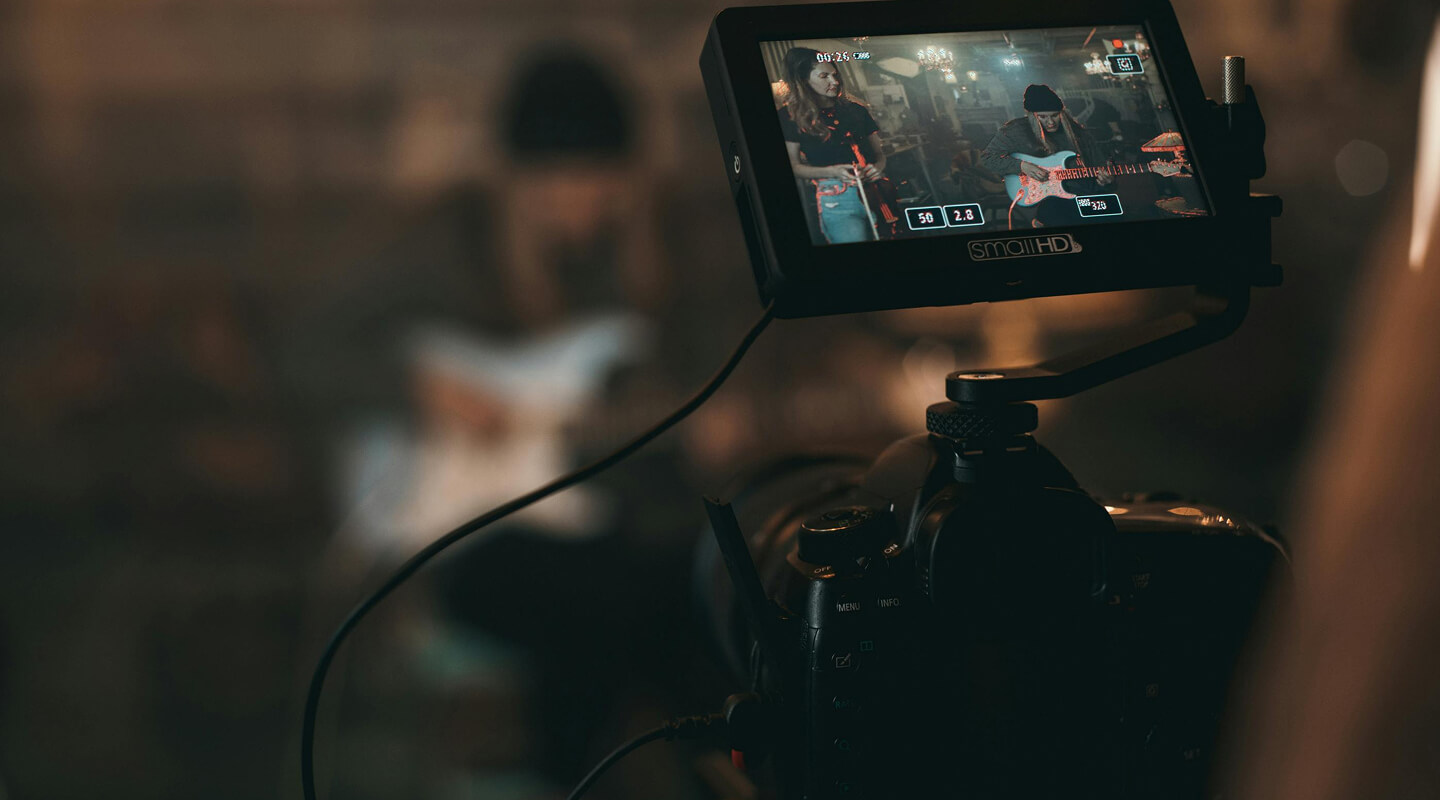
Acting is the art of bringing a character to life in a believable and emotionally compelling way.
Whether performed on stage or in front of a camera, acting requires discipline, technique, and deep
character understanding. However, film acting and theatre acting are not the same. While both
demand strong performance skills, the techniques and execution differ significantly. If you are
planning to pursue a career in film, understanding the difference between acting for camera and
stage acting is essential.
1. Vocal Technique
In theatre, actors must project their voices clearly and powerfully so that everyone in the audience
can hear them. Strong articulation and precise intonation are essential. In film, actors use a more
natural vocal style. Professional sound teams capture dialogue with microphones, allowing
performances to feel more intimate and realistic.
2. Body Movement and Physical Expression
On stage, gestures and movements must be larger and more visible to communicate emotion
across distance. In film, subtlety is key. The camera captures close-ups and small gestures, making
natural and restrained movement more effective than exaggerated performance.
3. Facial Expression and Micro-Expression
In theatre, expressions must be clear and strong so emotions reach the back of the auditorium. In
film, even the smallest eye movement or facial shift is visible. Film acting relies on nuance and
internal emotion, where subtle micro-expressions can communicate powerful feelings.
4. Blocking and Technical Awareness
Theatre actors must maintain awareness of the live audience and perform without retakes. Film
actors adjust to camera angles, lighting setups, and technical marks. Scenes can be repeated until
the director achieves the desired result.
5. Improvisation
In theatre, improvisation is often necessary if something unexpected happens during a live show. In
film, improvisation is more controlled. While small dialogue adjustments may occur, most scenes
are carefully planned and coordinated across multiple departments.
Why Understanding the Difference Matters
Understanding the difference between theatre acting and film acting is crucial for anyone who
wants to build a professional career in the film industry. Acting for camera requires emotional
subtlety, technical awareness, controlled physicality, natural dialogue delivery, and strong internal
character development.
Learn Film Acting with Viking Sunset Studios
If you are serious about mastering acting for film, consider joining our professional acting program
at Viking Sunset Studios in Bali. Through our PROSA x Viking Sunset Studios Film Acting Class,
you will: • Learn professional film acting techniques • Practice performing directly in front of the
camera • Understand blocking and on-set discipline • Develop deep character-building skills •
Receive mentorship from industry professionals For more information: Visit our Instagram, chat with
us directly on WhatsApp, or email us info@vikingsunsetstudios.com to receive full class details and registration guidance. We look forward to helping you take your acting career to the next level.