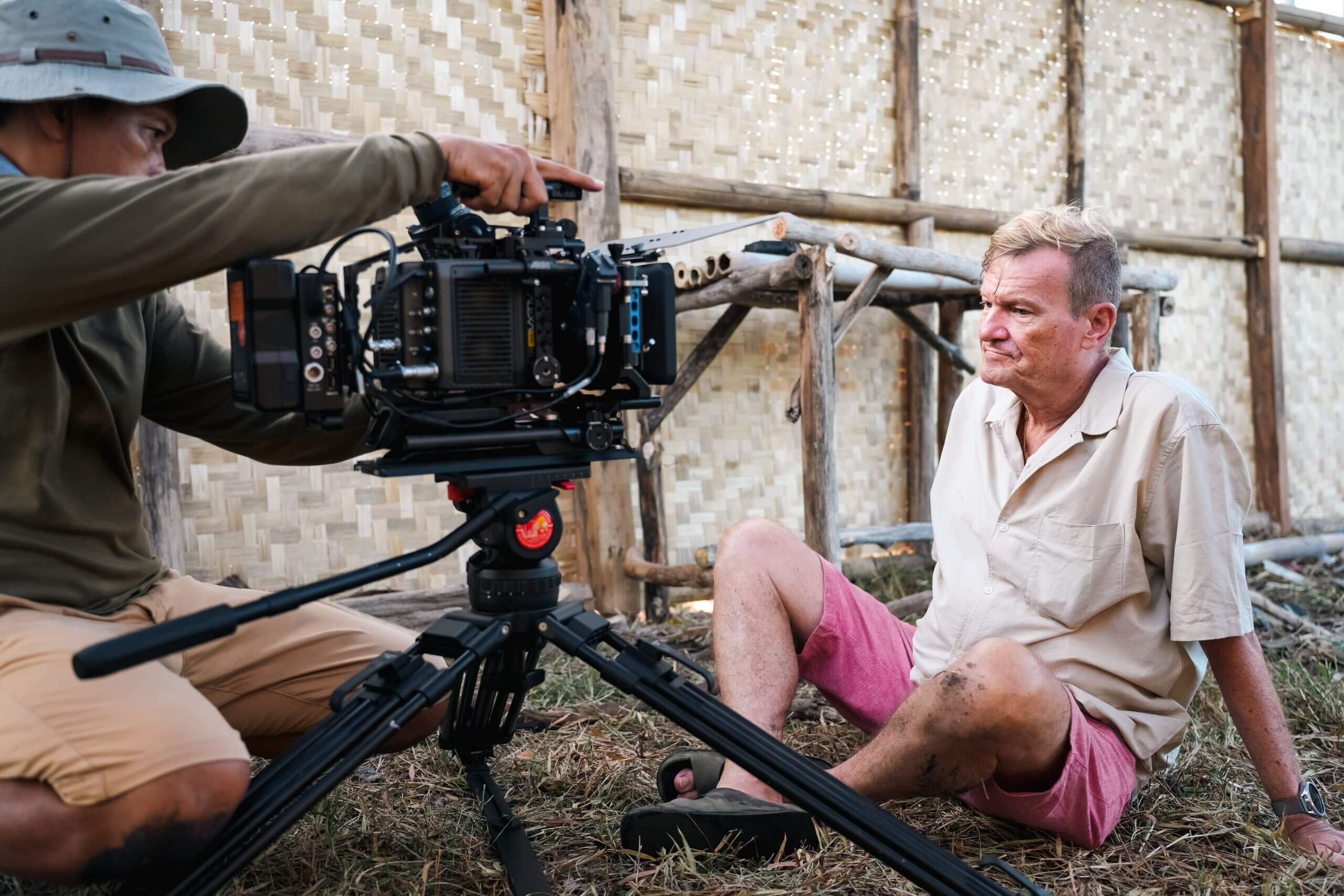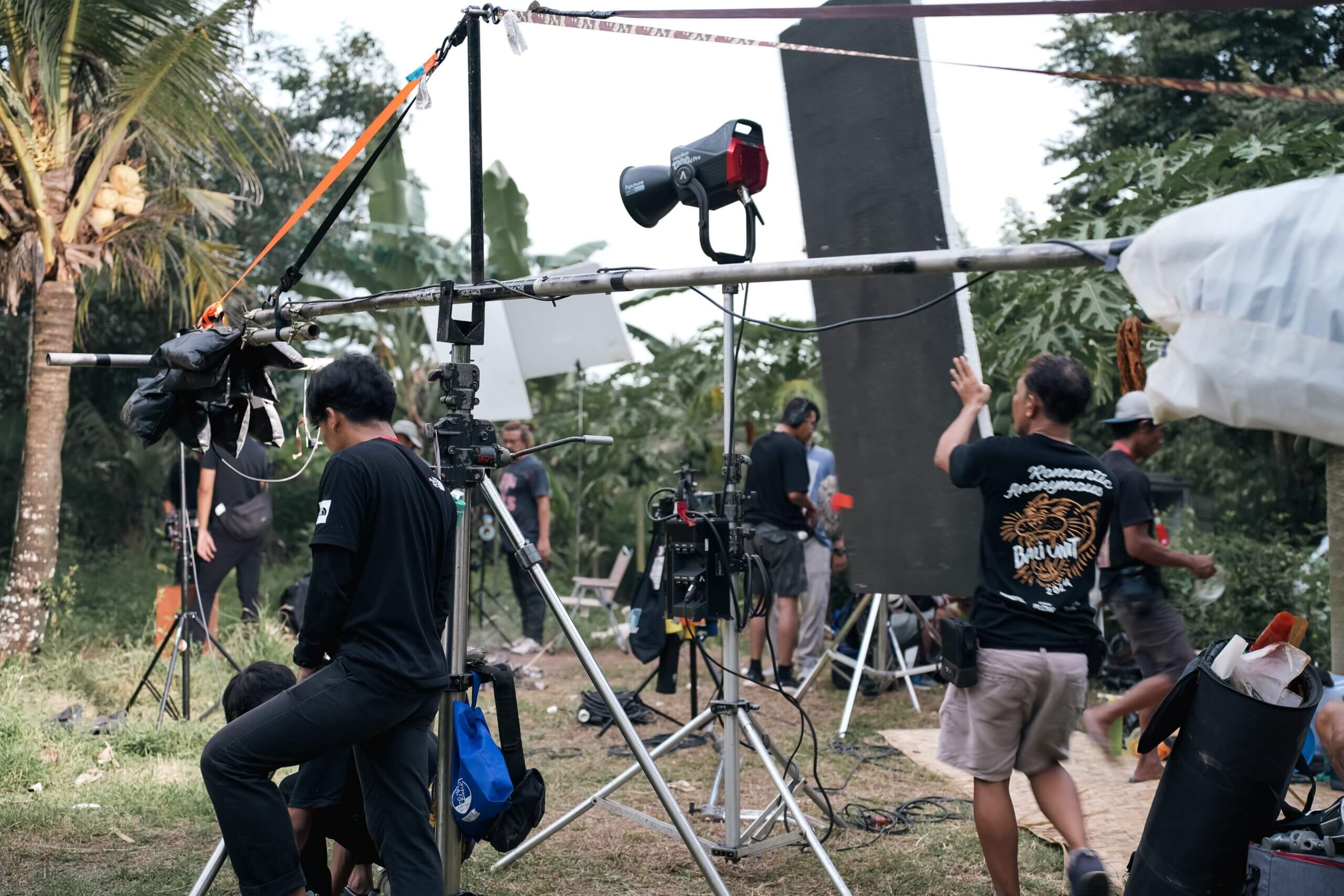
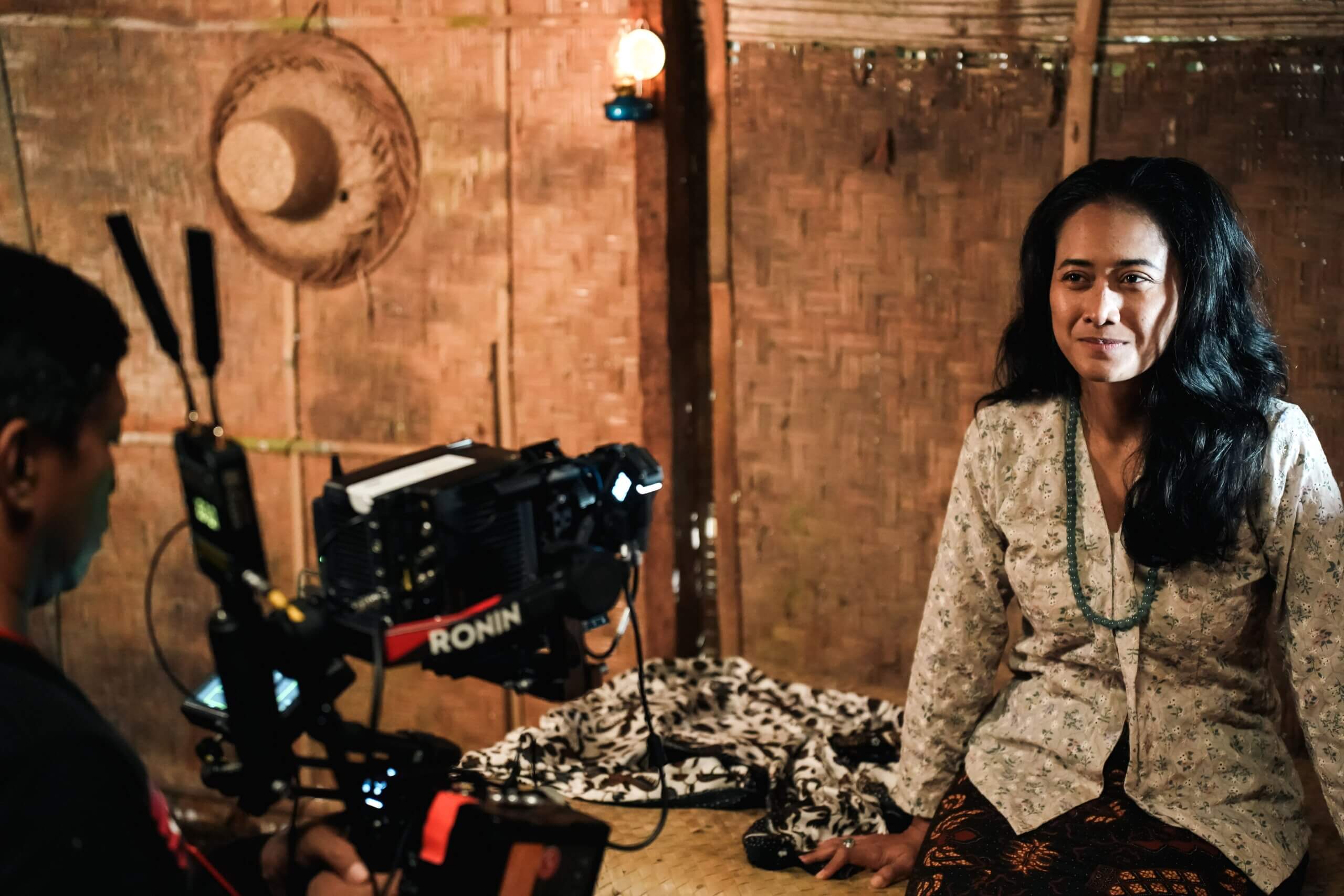
Camera angles are a critical component of filmmaking and video production. Beyond technical
execution, selecting the right camera angles in filmmaking influences how audiences perceive
characters, emotion, and narrative meaning. This guide explains the most commonly used camera
angles in film and how each one contributes to strong visual storytelling, making it ideal for
filmmakers, content creators, and creative professionals.
Eye-Level Angle
The eye-level angle places the camera at the same height as the subject’s eyes, resulting in a natural
and neutral perspective. This angle creates realism and balance, making the audience feel directly
connected to the scene.
High Angle
A high-angle shot positions the camera above the subject, looking downward. It can make subjects
appear smaller or more vulnerable and is effective for showing scale and environment.
Low Angle
The low-angle shot places the camera below the subject, looking upward. This angle enhances a
sense of power, dominance, or authority and is often used to emphasize importance.
Bird’s-Eye View
Also known as an overhead shot, the bird’s-eye view captures scenes from a very high perspective,
often using drones. It is ideal for landscapes, large events, and cinematic establishing shots.
Frog Angle
The frog angle is an extremely low-angle shot captured close to the ground. This technique
exaggerates height and creates a bold, dramatic visual effect.
Dutch Angle (Canted Angle)
The Dutch angle tilts the camera so the horizon is no longer level. This creates visual tension and
psychological unease, commonly used in suspense or dramatic scenes.
Over-the-Shoulder Shot (OTS)
The over-the-shoulder shot is filmed from behind a character’s shoulder, placing viewers within the
interaction. It is widely used in dialogue scenes to build intimacy and spatial awareness.
Mastering camera angles in filmmaking allows storytellers to control visual emphasis and audience
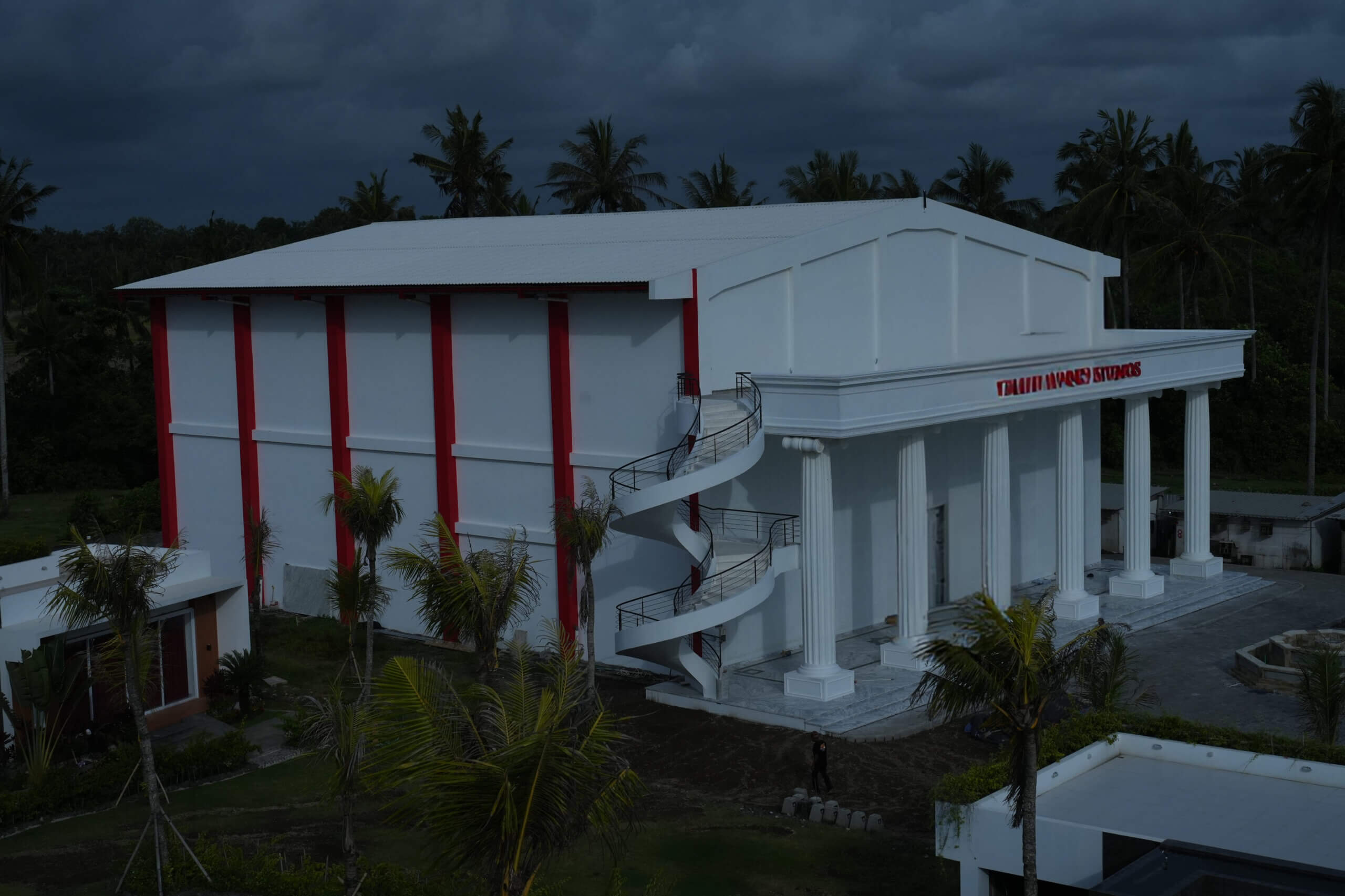
emotion. Each angle serves a distinct narrative purpose and should be applied intentionally. At Viking
Sunset Studios, we believe that understanding cinematography fundamentals is essential to
producing professional, impactful, and visually compelling films.