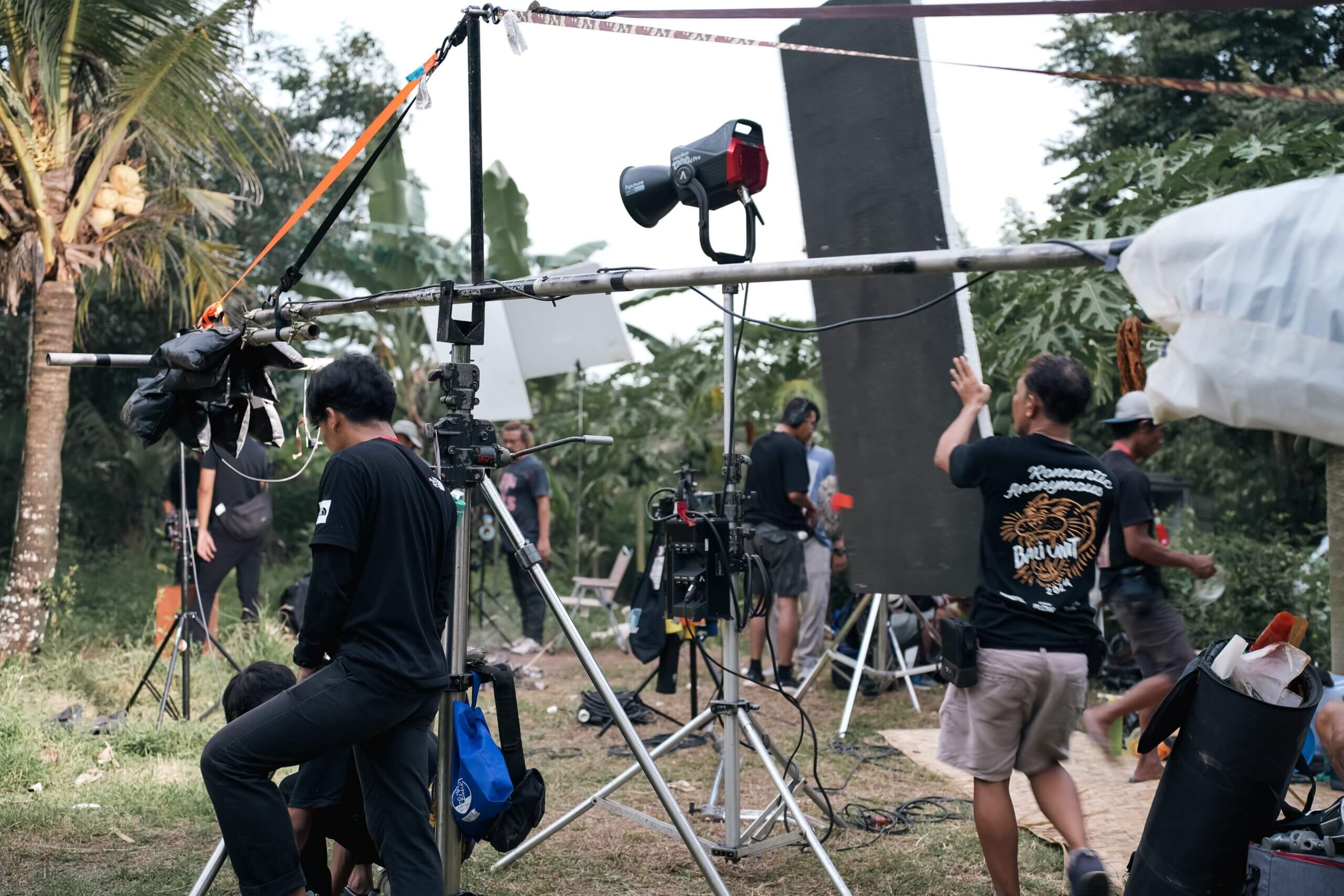
When we watch a film, we usually focus on the actors on screen. But behind every great movie is a large team of professionals working together to bring the story to life. From planning and production to post-production, each role plays an important part in creating a film that connects emotionally with the audience. In this article, we break down the main film crew departments and explain what each role does during a professional film production.
PRODUCTION DEPARTMENT
The production department handles both creative coordination and management throughout the entire filmmaking process.
- Producer : The producer oversees the whole production from start to finish, making sure everythingruns smoothly and the film is completed as planned.
- Executive Producer : This role focuses on funding, major decisions, and overall policy. Executive producers usually don’t handle daily production activities.
- Associate Producer : Often assisting the main producer, associate producers help bridge creative, technical, and administrative needs to keep the production moving forward.
- Line Producer : The line producer manages daily operations on set, including schedules, budgets, and logistics, ensuring production stays on track.
- Unit Production Manager (UPM) : Working under the line producer, the UPM handles non-creative operations like crew readiness, equipment, and logistics.
- Production Accountant : Responsible for tracking expenses and managing production finances to ensure the budget stays controlled.
- Location Manager : Finds, secures, and manages filming locations, handling permits, fees, and coordination with local authorities.
- Production Assistant (PA) : PAs support various departments and help handle urgent needs on set.
- Craft Service : Provides food and drinks for the crew to keep everyone energized during production.
DIRECTING DEPARTMENT
- Director : The director leads the creative vision of the film, guiding storytelling, performances, visuals, and overall tone.
- First Assistant Director (1st AD) : Manages the shooting schedule and ensures everything runs efficiently on set.
- Second Assistant Director (2nd AD) : Handles call sheets, extras, and coordination between departments.
- Scriptwriter : Develops the story, characters, and dialogue before production begins.
- Script Supervisor : Ensures story continuity between shots and scenes.
CAMERA DEPARTMENT
- Director of Photography (DP) : Responsible for the visual look of the film, including camera movement, lighting, and lens choices.
- Camera Operator : Operates the camera under the DP’s direction.
- 1st Assistant Camera (Focus Puller) : Maintains sharp focus and handles camera setup.
- 2nd Assistant Camera : Manages camera logs, slating, and lens changes.
- Clapper Loader : Marks shots to help organize footage in post-production.
ART DEPARTMENT
- Production Designer : Designs the visual world of the film, including sets and props.
- Set Designer : Creates detailed set designs based on the production designer’s vision.
- Prop Master : Manages all props used in the film.
SOUND DEPARTMENT
- Sound Mixer : Records clean dialogue and sound on set.
- Boom Operator : Captures sound using a boom microphone.
POST-PRODUCTION
- Editor Assembles footage into a complete story.
- Colorist Balances and grades color to create a consistent visual tone.
- Sound Designer Enhances audio with effects and atmosphere.
- Composer Creates the film’s music.
- Foley Artist Records sound effects to match on-screen action.
Every role behind the scenes contributes to the final film we see on screen. Filmmaking is truly a collaborative effort.
More details email info@vikingsunsetstudios.com