The film industry has always carried a unique and undeniable charm. Since moving pictures were first introduced to the public more than a century ago, cinema has evolved into one of the most influential forms of entertainment in the world. Behind the glamour seen on screen lies a long history filled with innovation, experimentation, and remarkable facts that many people have never heard before. From spontaneous moments that turned into iconic scenes, to costume designs with hidden meanings, to groundbreaking milestones in filmmaking this industry is full of stories that prove film is far more than entertainment it is also a reflection of cultural and technological progress. Here are 50 fascinating facts about the film industry that will make you see cinema from a whole new perspective.
- The modern film industry began more than 100 years ago
Motion picture technology started developing in the late 19th century and became the foundation of modern cinema.
- The first films lasted only a few seconds
Early films were short clips showing everyday activities without storylines.
- Silent films dominated the early era of cinema
Before sound technology existed, all films were produced without recorded dialogue.
- Live music once accompanied films in theaters
During the silent film era, pianists or orchestras performed live during screenings.
- Color films became popular decades after black and white films
It took years before color technology became the industry standard.
- Iconic scenes often come from improvisation
Many memorable movie moments were never part of the original script.
- Character costumes often hold hidden meaning
Wardrobe colors and designs are chosen to reflect a character’s personality.
- Some films feature very little dialogue
Certain successful movies rely more on visuals than conversation.
- Movie posters are a key marketing tool
They are carefully designed to capture audience attention instantly.
- Movie trailers were originally shown after the film
That is why they are called “trailers.”
- Many film sound effects are created manually
Footsteps, doors, and object sounds are often recreated in studio.
- CGI did not immediately replace practical effects
Physical effects such as miniatures and makeup are still widely used today.
- Many movie monsters were created with costumes
Before CGI, actors often wore heavy creature suits for hours.
- Rain in films is usually made with special water effects
Artificial rain is designed to appear thicker on camera.
- Food in movies is often not actually eaten
Actors usually pretend to eat because scenes require multiple takes.
- Some films require thousands of costumes
Large productions may prepare wardrobes for massive casts and extras.
- Crowd scenes are often digitally enhanced
Hundreds of people can appear as thousands through visual effects.
- Film sets are not always fully built
Many buildings in movies are only front facades.
- Early film cameras were extremely large and heavy
Filming used to be much more difficult than it is today.
- Drones transformed filmmaking
Aerial shots are now more affordable and flexible than ever.
- The longest movie ever made runs for over 80 hours
Some experimental films have extremely long runtimes.
- Short films remain important in the industry
Many filmmakers begin their careers with short format projects.
- Film awards can significantly boost revenue
Award winning films often see a major increase in ticket sales.
- Many actors use stunt doubles
Especially for dangerous or physically demanding scenes.
- Not every action scene is performed by the lead actor
Audiences often never notice when a stunt double is used.
- Prosthetic makeup can take hours to apply
Extreme transformations may require 4 – 8 hours of preparation daily.
- Some films use fully developed fictional languages
Entire languages are created specifically for certain cinematic worlds.
- Some films take years to shoot
Certain productions are filmed over exceptionally long periods.
- Famous scenes are sometimes filmed in one take
Without any cuts at all.
- Green screen technology revolutionized modern filmmaking
It allows virtually any background to be created digitally.
- Many outdoor scenes are filmed indoors
Even locations that appear outdoors may be studio built.
- Weather in films is often controlled
Rain, fog, and snow are frequently artificial.
- Dialogue is often re-recorded after filming
This process improves audio quality in post-production.
- Horror films are often made on small budgets
Yet many become highly profitable.
- Comedy is one of the hardest genres to produce
Successful humor depends heavily on timing and editing.
- Animated films can take years to complete
Even for a runtime of only 90 minutes.
- One second of animation contains many frames
Typically around 24 frames per second.
- Underwater scenes are not always filmed in the ocean
Many are shot in controlled studio tanks.
- Movie titles often change before release
Final titles are commonly chosen through market testing.
- Studios test audience reactions before release
Private screenings help gauge viewer response.
- Film endings are sometimes changed after test screenings
If early audience feedback is negative.
- Blockbuster films can cost hundreds of millions of dollars
Modern productions often carry enormous budgets.
- Film marketing can cost as much as production
Global promotional campaigns require massive investment.
- Franchises dominate the modern box office
Sequels and cinematic universes remain highly popular.
- Many successful films were originally rejected by studios
Even famous scripts faced multiple rejections.
- Soundtracks can make films more iconic
The right music enhances emotional impact.
- Movie props can become valuable collectibles
Some are auctioned for millions of dollars.
- Simple scenes can be extremely difficult to film
Even a character walking into a room may require complex production.
- Movie theaters were once the world’s primary entertainment
Before television and the internet changed media consumption.
- The film industry continues to evolve through technology
From CGI and AI to virtual production, innovation never stops.
Conclusion
The world of filmmaking is far more complex than what audiences see on screen. Behind every scene lies a combination of creativity, technology, and the hard work of hundreds sometimes thousands of people. These facts show that the film industry is not just about actors and cameras, but about constant innovation that continues to shape how the world experiences entertainment.
About Viking Sunset Studios
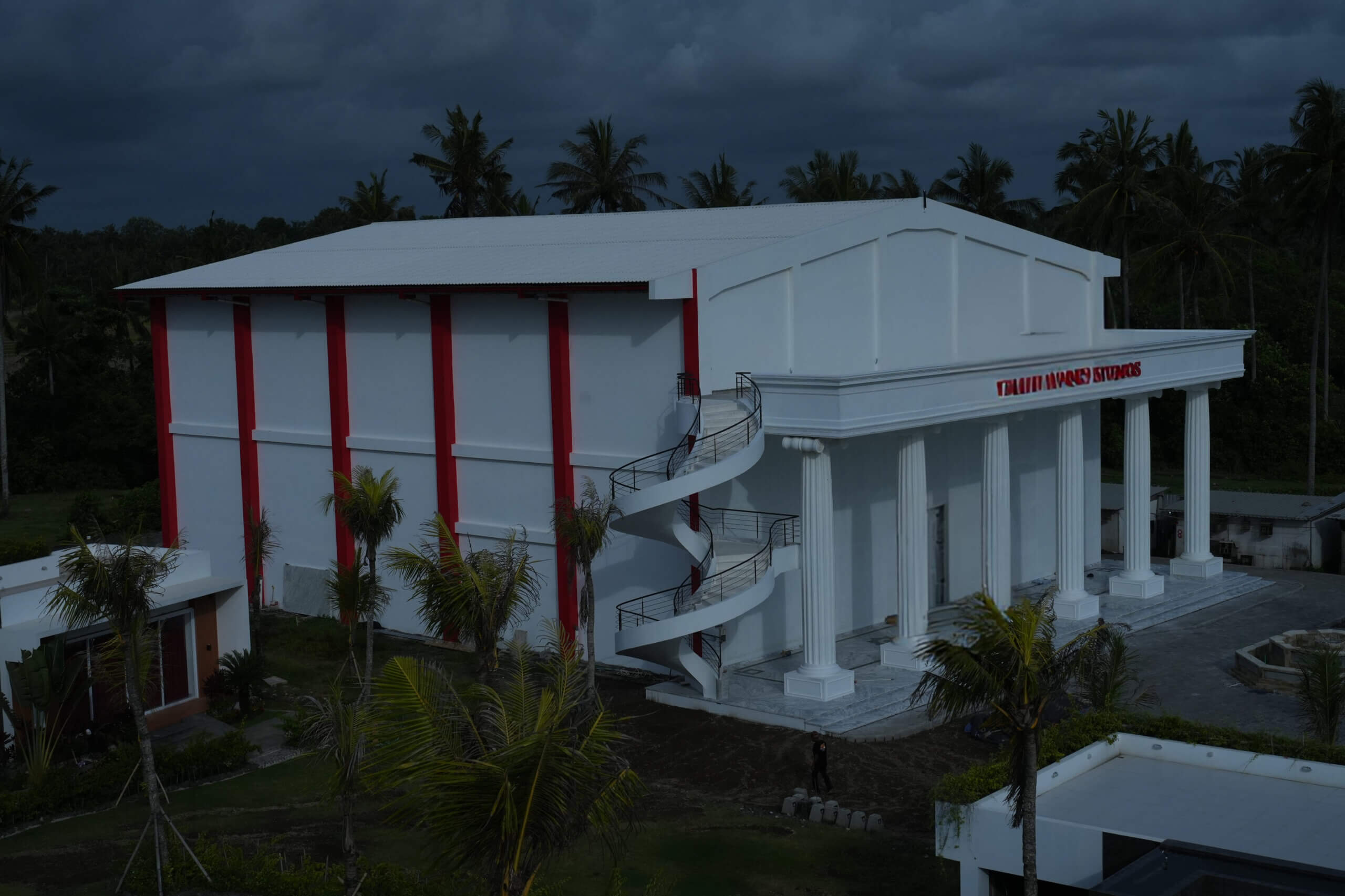
Viking Sunset Studios is an international creative production hub based in Bali, Indonesia, offering world class facilities and services for global film and content production. The studio combines premium infrastructure with a unique tropical environment, supporting filmmakers in bringing their creative vision to life.
Media Contact
Instagram : @vikingsunsetstudios
TikTok : @vikingsunsetstudios
Email: info@vikingsunsetstudios.com
Website: https://vikingsunsetstudios.com